- During her visit to Djibouti, the High Representative Kaja Kallas paid a visit to the current Operation ATALANTA’s flagship, ESPS Numancia.
- Operation ATALANTA was launched in 2008 and contributes to the maritime security in the Western Indian Ocean and in the Red Sea.
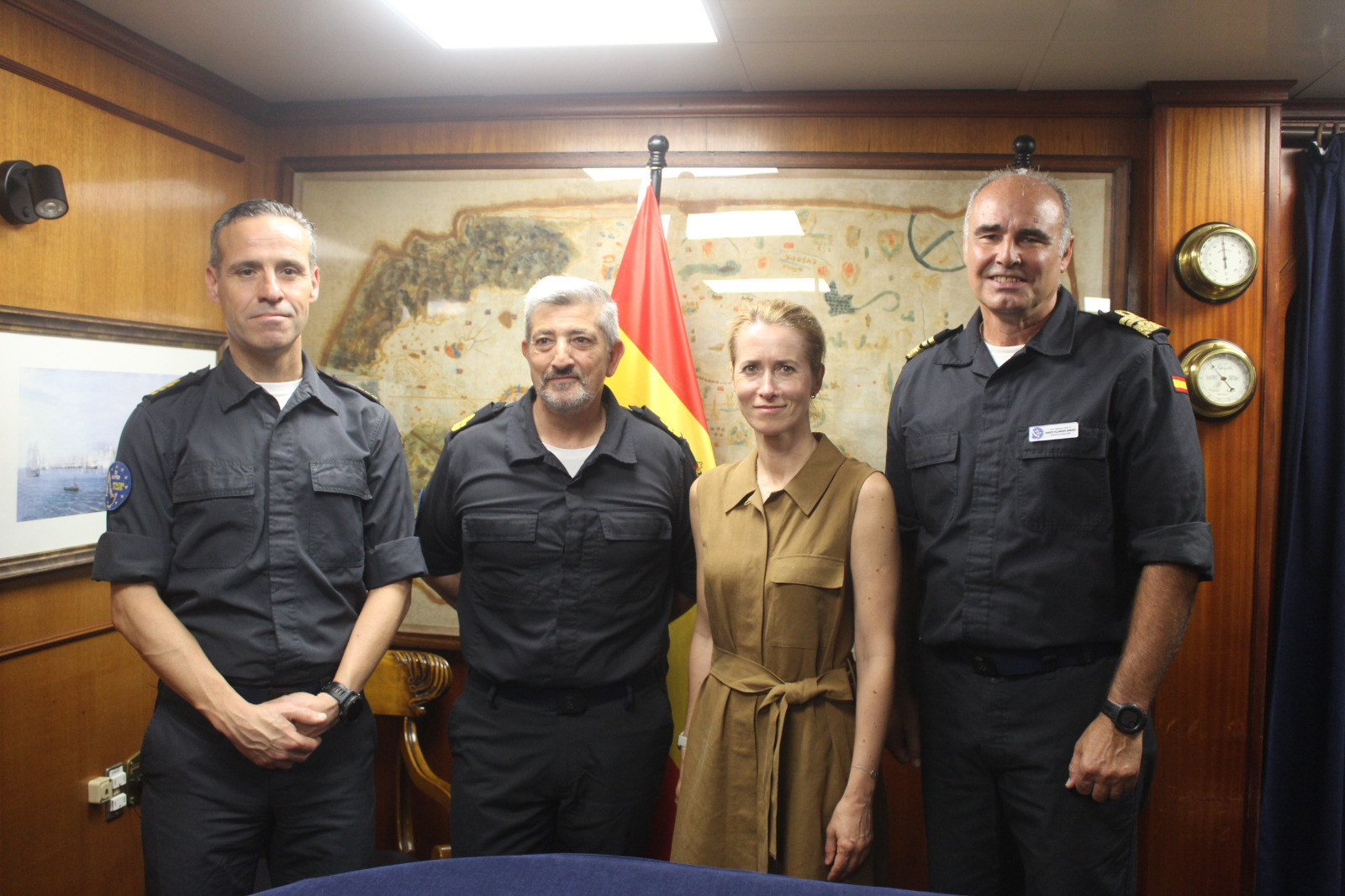
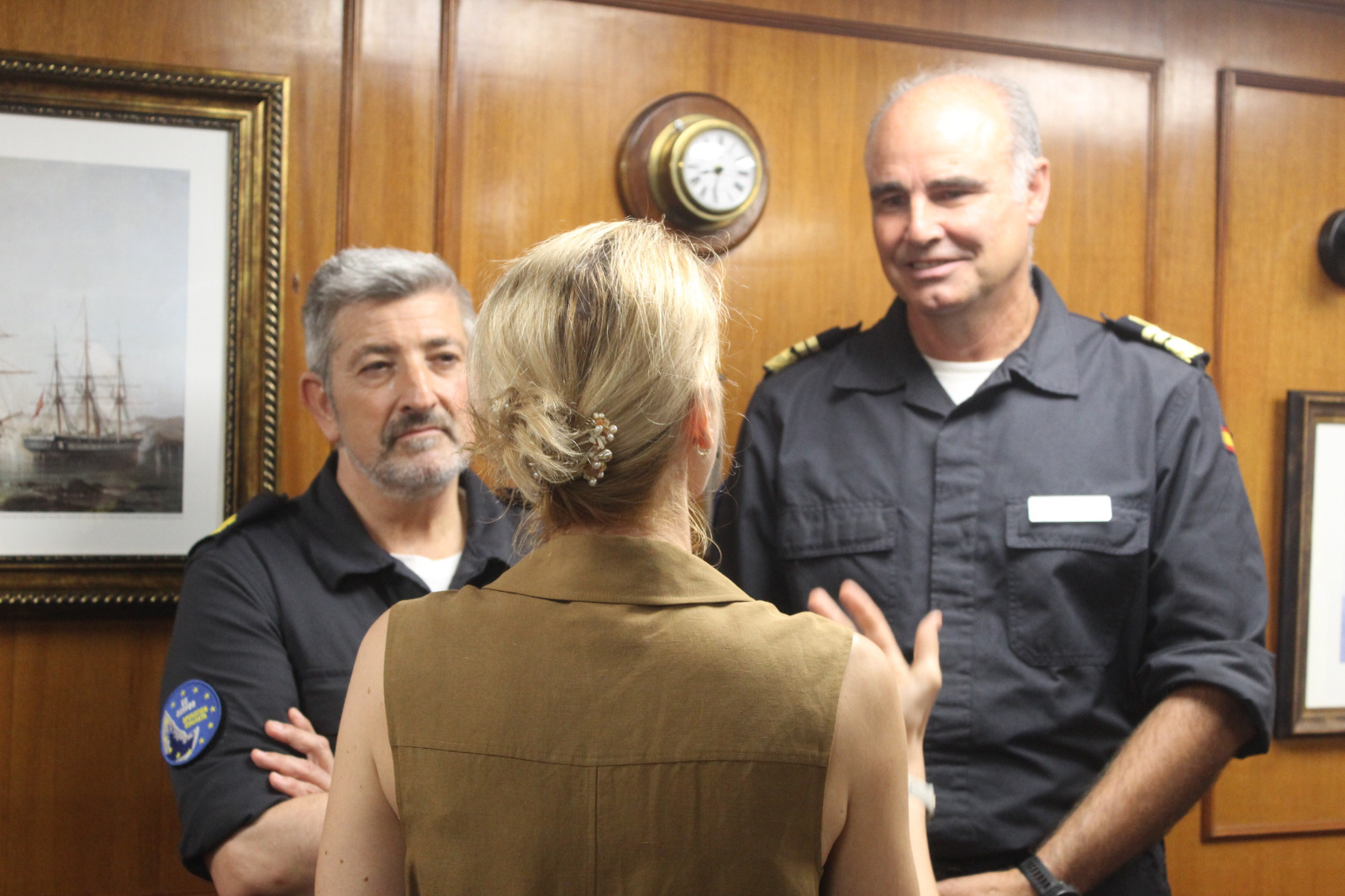
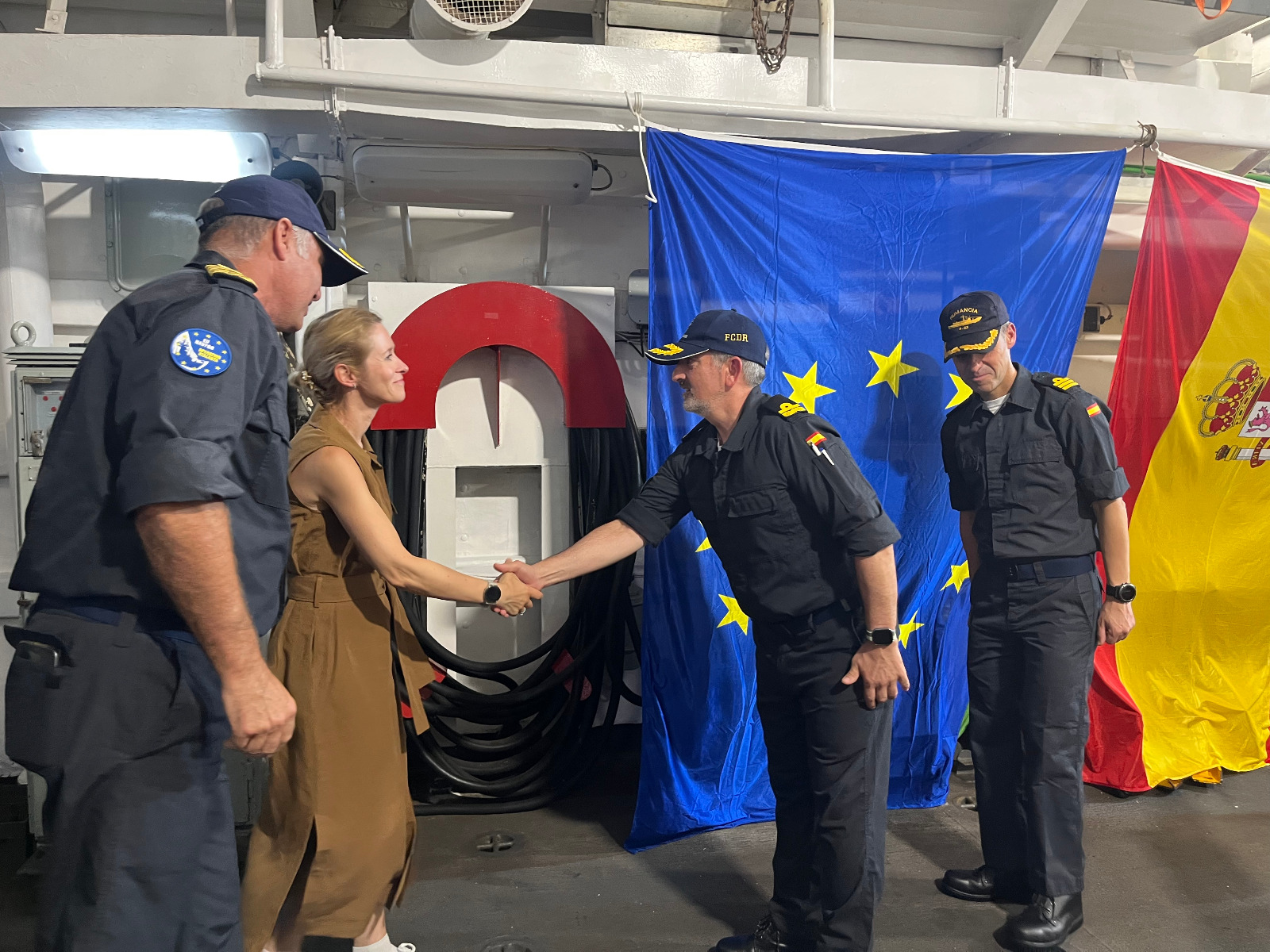
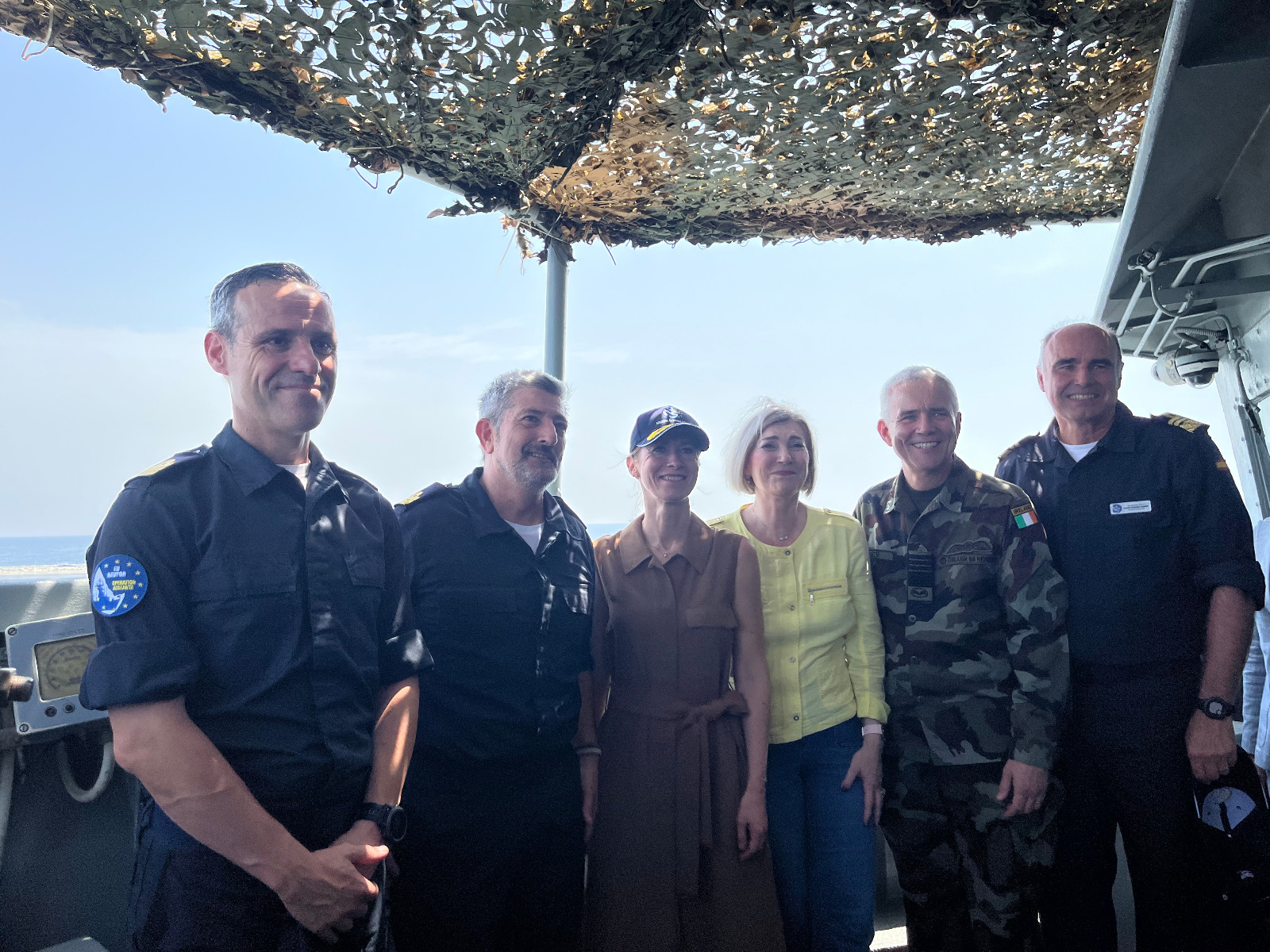
On 16 July, the High Representative of the European Union, Kaja Kallas visited the flagship of Operation ATALANTA, ESPS Numancia. She was accompanied by EU Ambassador to Djibouti, Mrs. Denisa-Elena Ionete and the Chair of the European Union Military Committee General Seán Clancy. ATALANTA Operation Commander, Vice Admiral Ignacio Villanueva Serrano was also present during the visit together with the Force Commander, Rear Admiral Francisco Javier Vázquez Sanz.
The event took place as part of the visit of the High Representative to Djibouti where she also visited Operation ASPIDES and signed the EU-Djibouti Status of Forces Agreement for Operation ASPIDES.
The visit to ATALANTA’s flagship
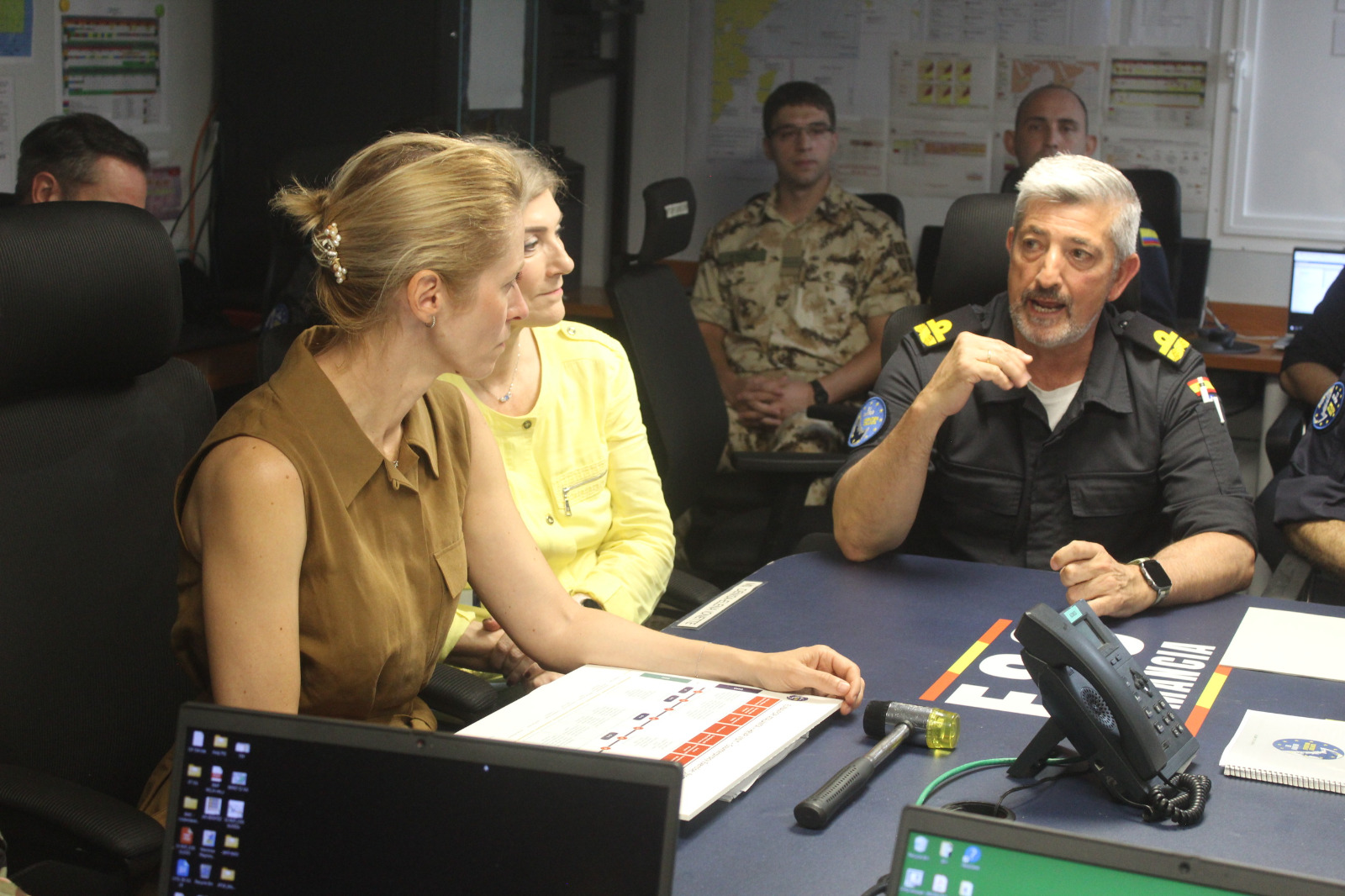
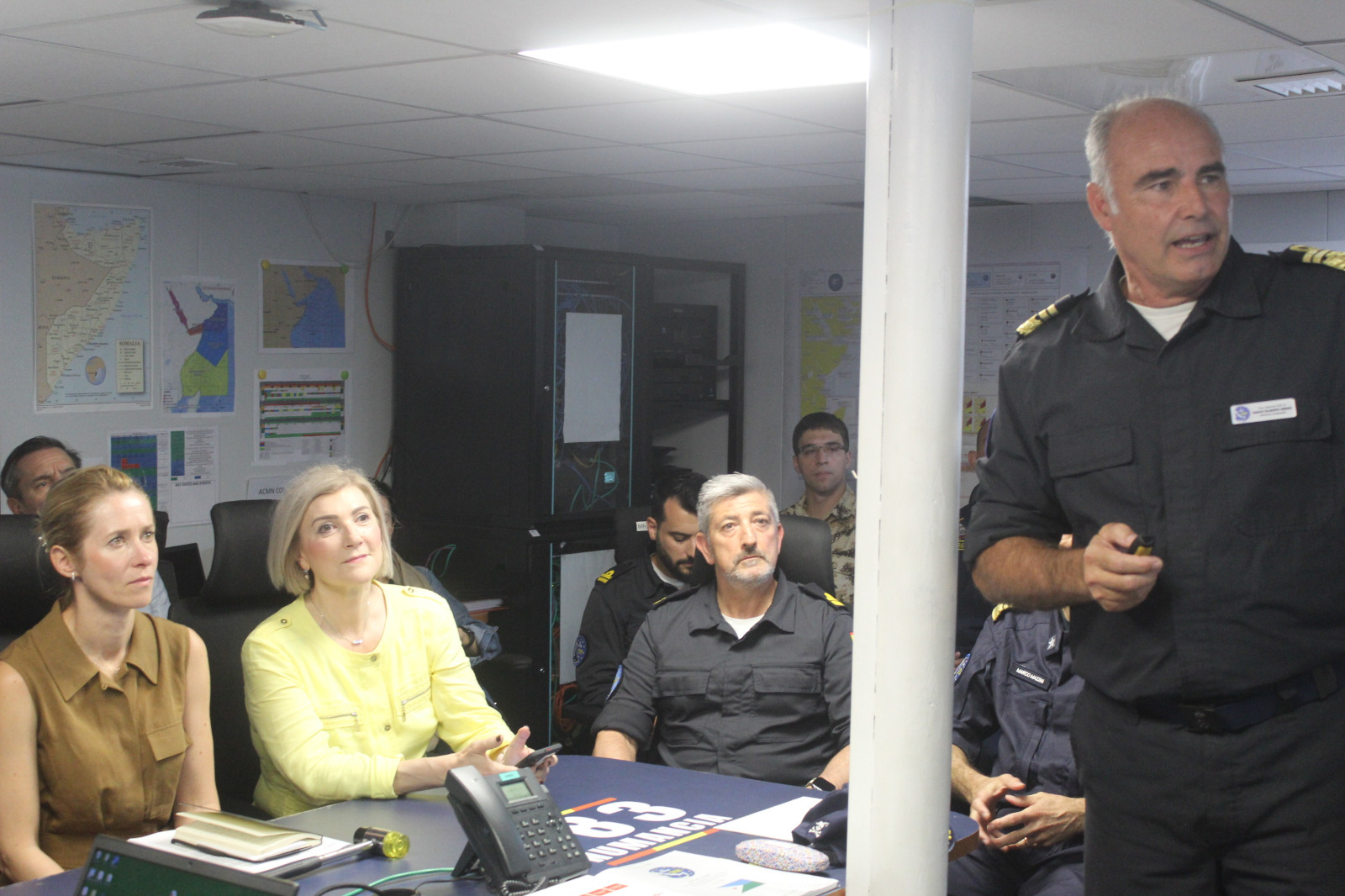
Upon arrival, Vice Admiral Ignacio Villanueva, provided the High Representative insights on the current piracy situation and the main outputs provided by Operation ATALANTA’s work: “ATALANTA is as relevant as ever. We have a mandate that has evolved and our current work is developed with four main outputs: counter-piracy, industry connection, coordination in the area and filling the EU strategic gap in the area as we are embedded in the regional maritime architecture”.
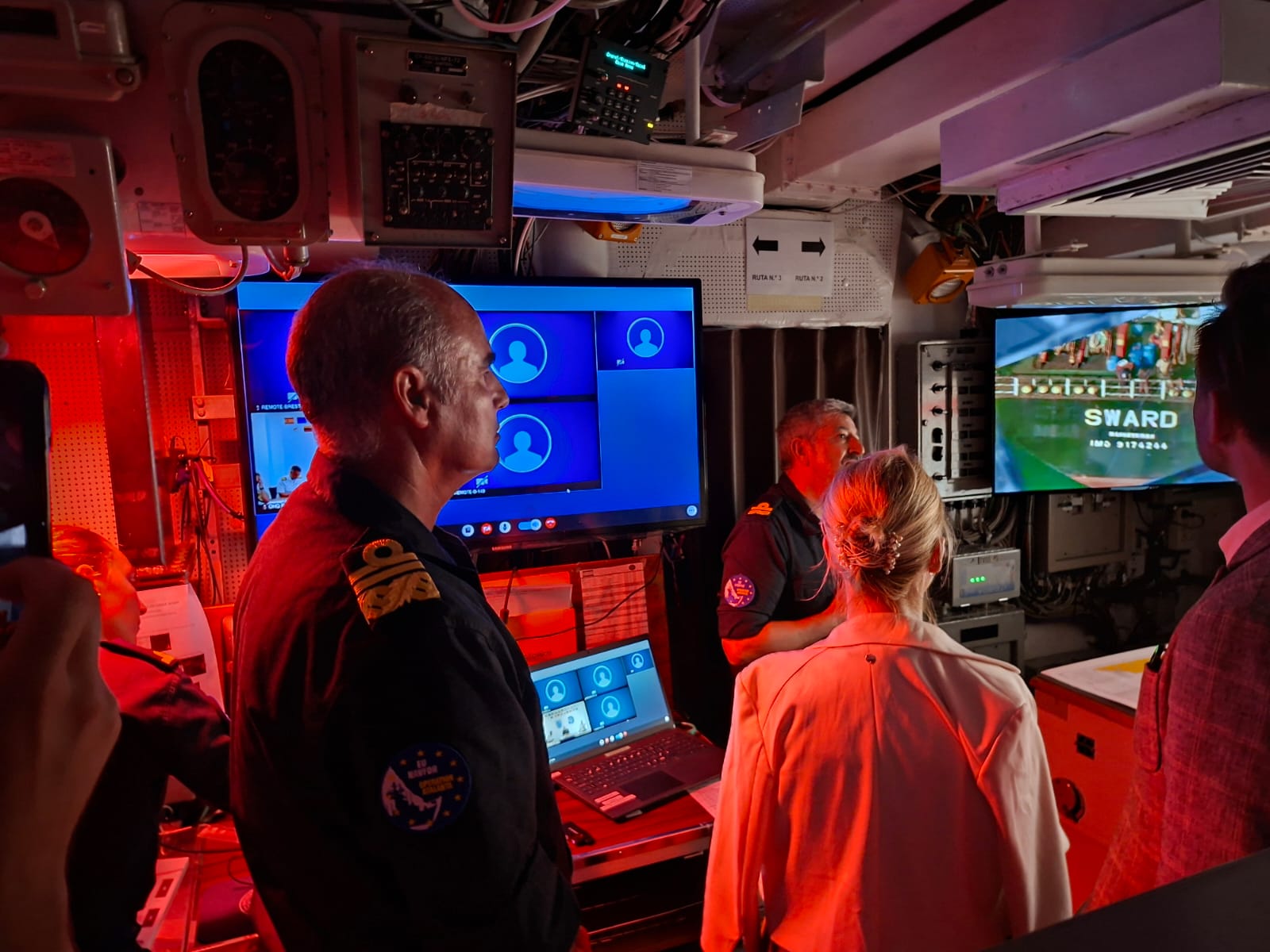
The visit also included a counter-piracy exercise with connection with the Operation Headquarters in Rota and a live demonstration of forces. The exercise focused on how the coordination for a counterpiracy action plays out when Operation ATALANTA is involved in the action.
Counterpiracy action
From the moment the Headquarters receive the information of a possible Pirate Action Group operating in the area, the coordination starts.
The Force Headquarters are informed and directed to deploy assets and investigate. At different levels, the Operation Headquarters in Rota and the Force Headquarters at sea, establish communications and coordination with different forces. At the same time, ATALANTA’s Maritime Security Centre Indian Ocean (MSCIO) delivers an alert to vessels to avoid the area from the Pirate Action Group and to employ protective measures.
The Force Headquarters order the frigate in the area to proceed to the last known position of the reported skiff at best speed, ready to conduct counterpiracy operations once found. All of this, coordinated with other assets in the area like Combined Maritime Forces and the Indian navy for effective search.
Direct liaison from the Operation Headquarters with the Company Security Officer and the Master of Merchant Vessel is maintained. The Master is instructed to continue in citadel while Intelligence, Surveillance, and Reconnaissance on the Merchant Vessel is conducted. Pirates are seen so Flag state consent and boarding state approval are sought. Once all the plans are approved, the Force Headquarters orders and conducts the tactical action, with Operation Headquarters in support.
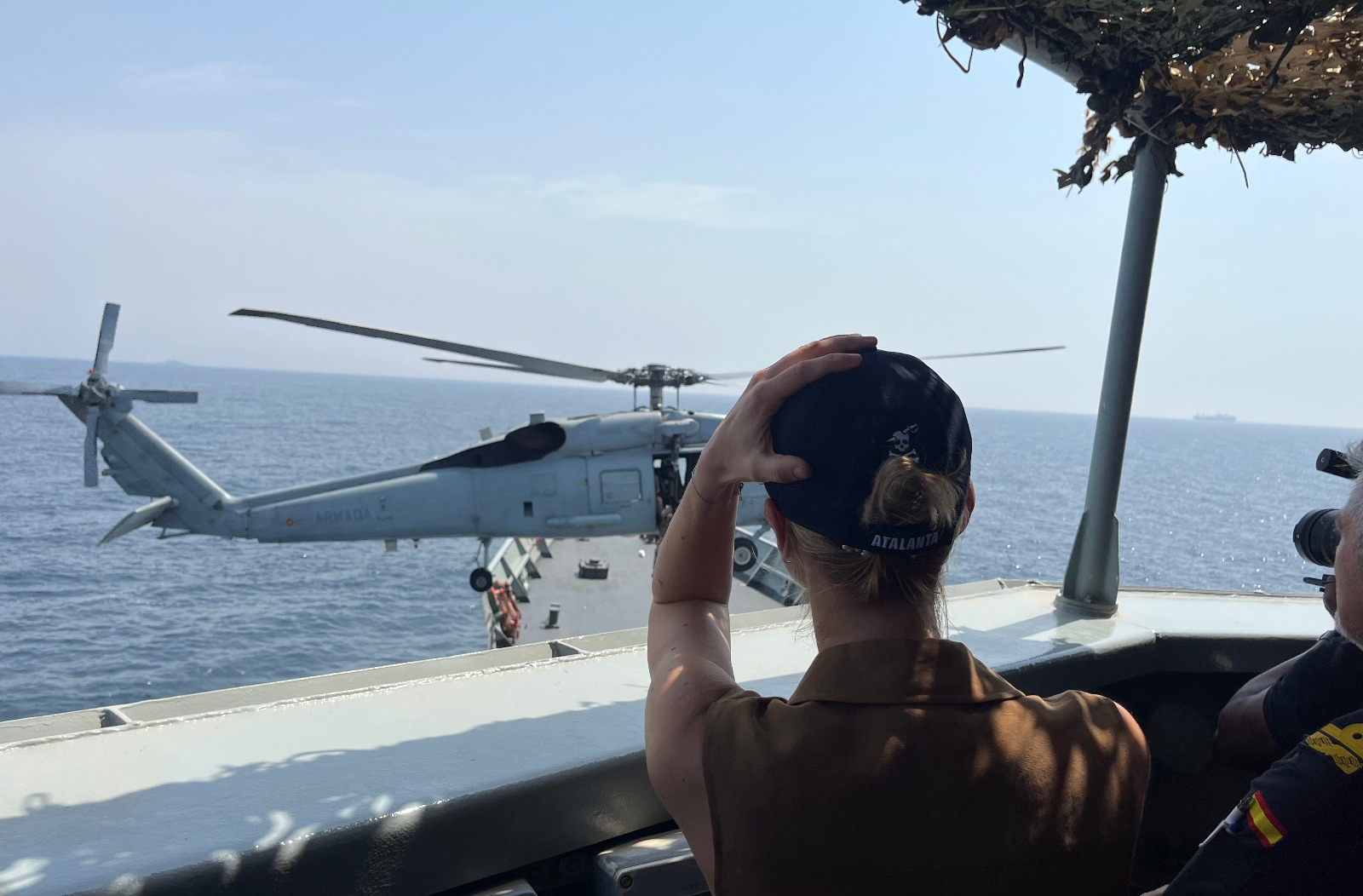
From the bridge of the ship, the High Representative had the opportunity to see two of the ways to board a pirated ship: fast rope from helicopter and boarding from the rhib. Once the action is completed and alleged pirates are apprehended, Operation ATALANTA gathers the evidence that then is presented to the judge.
During the visit she also had an opportunity to exchange views with the crew and learn more about their daily work with the operation.
Operation ATALANTA’s work
Operation ATALANTA continues providing maritime security in the Western Indian Ocean and the Red Sea, safeguarding international trade, providing regional stability and defending European interests while being embedded in the regional maritime architecture.
Since November 2023, 73 pirate related events have taken place with the last 3 still ongoing in the Somalia Basin. Since inception, ATALANTA has protected more than 2500 World Food Programme vessels and 177 pirates have been transferred to competent authorities.